Diving with Whale Sharks: How to Make It an Eco-Friendly and Responsible Experience
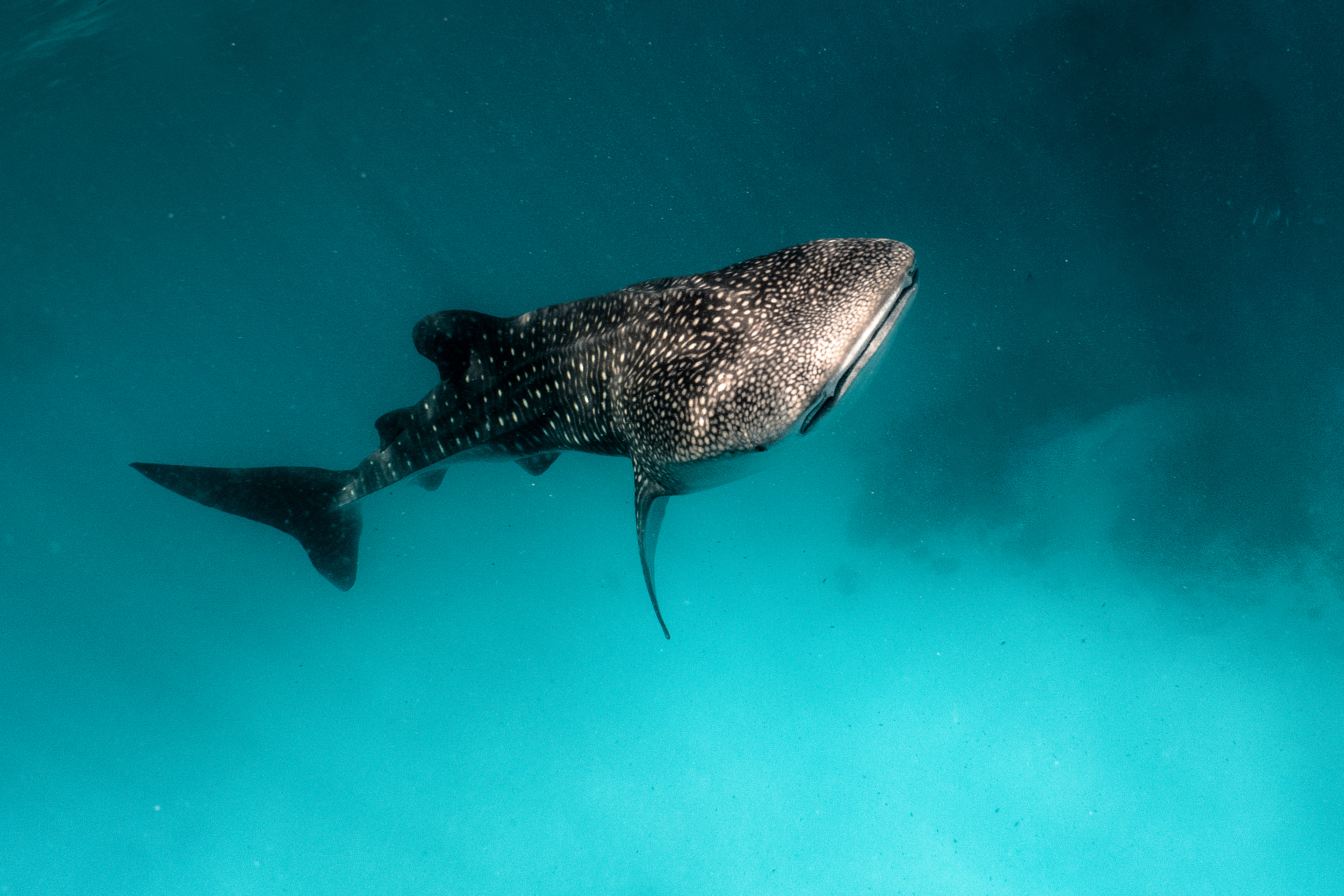
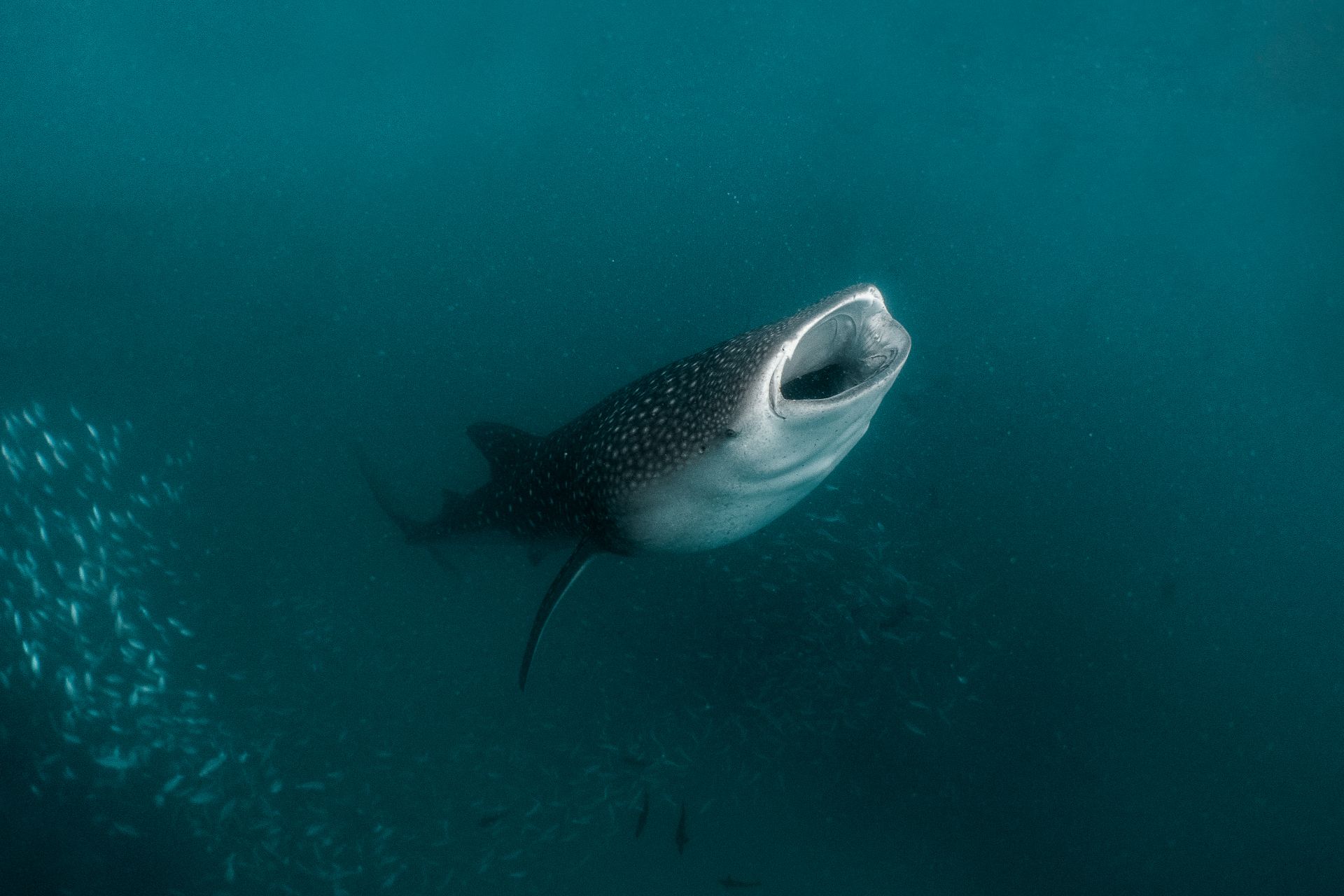
Diving into crystal-clear blue waters alongside a massive, 12-meter whale shark is a bucket-list dream for many. The Maldives is world-renowned for these breathtaking encounters, with South Ari Atoll standing out as one of the best places on Earth to spot them. In fact, experts say visitors here have over a 90% chance of encountering these gentle giants—a guarantee you will find almost nowhere else. However, balancing the thrill of swimming with these magnificent creatures and protecting their marine habitat is incredibly important. As eco-conscious travelers, it is our responsibility to ensure our presence does no harm to these gentle giants.
The Importance of Whale Sharks and Their Conservation History
Whale sharks play a vital role in maintaining the balance of marine ecosystems. Feeding primarily on plankton, these filter feeders inhabit South Ari Atoll year-round, unlike in other parts of the world where their presence is highly seasonal. Research by the Maldives Whale Shark Research Programme (MWSRP) reveals that 91% of the whale sharks spotted in this area are juvenile males, suggesting the atoll serves as a crucial nursery ground. Their movement patterns are closely tied to food availability; studies show they gather in higher numbers on the southern edge of the atoll during the northeast monsoon (January to March).
The Maldives has always been a leader in marine conservation, declaring whale sharks a protected species back in 1995. In 2009, the waters of South Ari Atoll were designated as the South Ari Marine Protected Area (SAMPA). To further strengthen these protections, the government introduced a new regulation (2024/R-96) in October 2024, tightening the rules for diving and snorkeling with whale sharks. The main goal of this regulation is to ensure tourist safety while shaping tourism activities in a way that minimizes disruption to the natural behavior of these animals.
